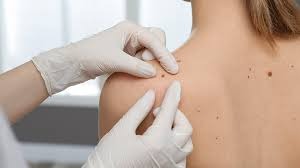
Mole removal is a common cosmetic procedure that many individuals undergo for various reasons, including aesthetic preferences and medical concerns. While the procedure is generally safe, it’s important to be aware of potential side effects and complications that may arise.
Firstly, one of the most common side effects following mole removal is scarring. The extent of scarring largely depends on the size and depth of the mole as well as the method used for its removal. Surgical excision tends to leave more noticeable scars compared to methods like laser treatment or shaving. However, skilled dermatologists often take care to minimize scarring by employing precise techniques and providing post-procedure care instructions.
Another possible side effect is infection at the site of removal. This risk exists with any procedure involving skin penetration but can be minimized with proper aftercare. Keeping the area clean, applying prescribed ointments, and avoiding unnecessary touching are crucial steps in preventing infection. Signs of infection include redness, swelling, increased pain, or discharge from the site; if these occur, contacting a healthcare provider promptly is essential.
Additionally, some patients experience changes in skin pigmentation at or around the mole’s former location. Hypopigmentation (lightening) or hyperpigmentation (darkening) can occur depending on individual skin types MoleRemovalAt Resource Center and healing responses. These changes are usually temporary but can sometimes persist longer than expected.
Nerve damage is another rare but possible complication associated with mole removal procedures that involve deeper layers of skin tissue. If nerves are inadvertently affected during surgery, patients might experience numbness or tingling sensations around the treated area. Though this condition often resolves over time as nerves heal naturally, persistent symptoms should be evaluated by a healthcare professional.
Allergic reactions are also potential risks when topical anesthetics or other medications are used during mole removal procedures. Symptoms such as itching rash or difficulty breathing require immediate medical attention to prevent serious consequences.
Finally, there exists a possibility for incomplete removal where remnants of moles reappear over time necessitating further treatments which could lead again towards aforementioned complications like scarring etcetera thus emphasizing importance choosing experienced practitioners initially itself so they ensure thorough removals reducing likelihood recurrences significantly thereby sparing patients additional interventions later on down line altogether!
In conclusion while undergoing process removing moles involves certain inherent risks being informed about them helps individuals make educated decisions regarding their health aesthetics alike ensuring optimal outcomes overall through careful consideration selection qualified professionals adherence recommended post-operative guidelines ultimately leading successful results satisfaction peace mind long term!