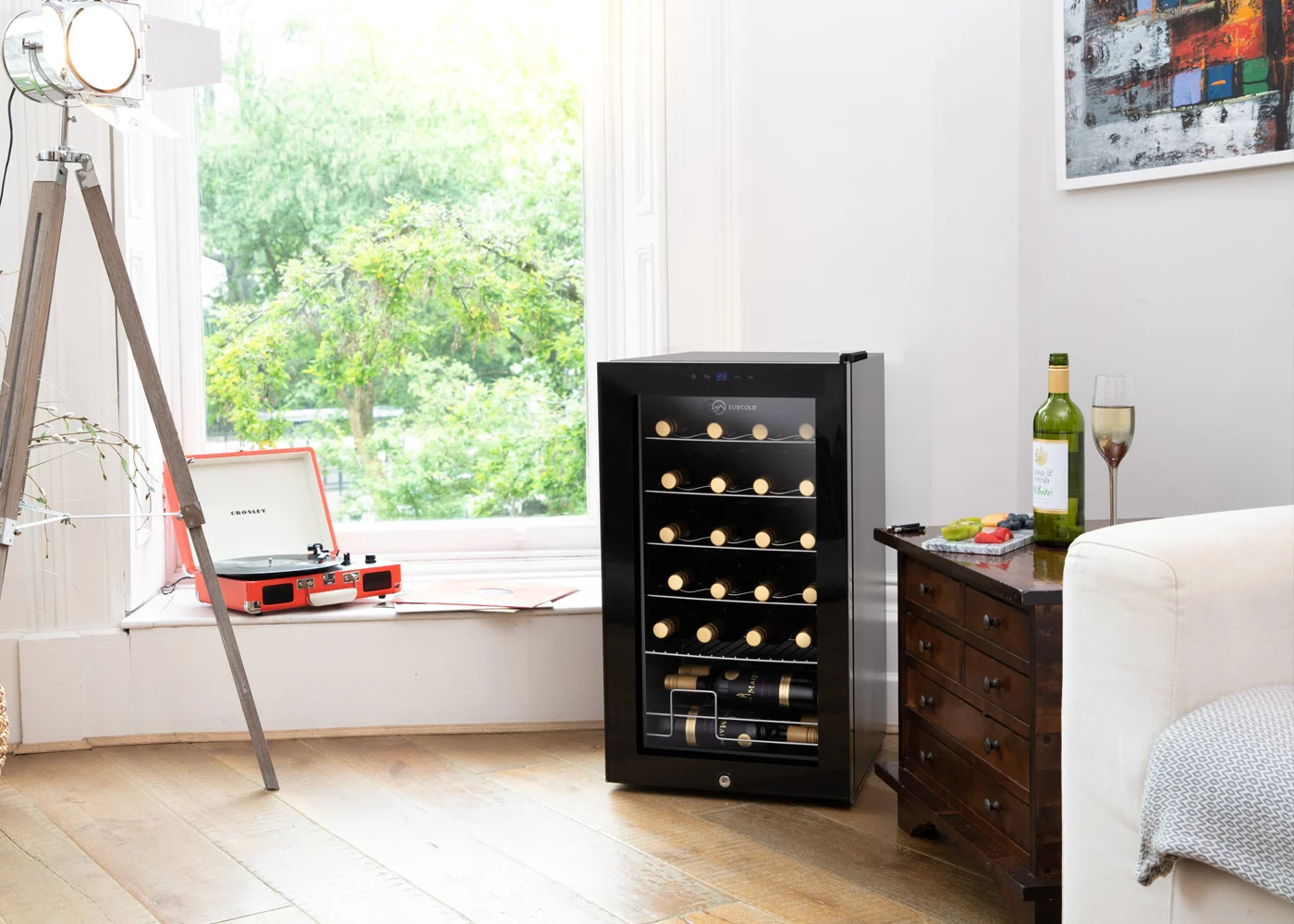
Choosing the perfect wine cooler for your collection involves considering several important factors to ensure your wines are stored under optimal conditions. First, assess the size of your collection and anticipate future growth. Wine coolers come in various capacities, ranging from small units that hold a dozen bottles to large models accommodating hundreds. Selecting a cooler with enough space helps maintain proper organization and prevents overcrowding, which can affect temperature consistency.
Temperature control is crucial when selecting a wine cooler. Different types of wines require specific temperatures for ideal preservation; red wines generally need warmer settings than whites or sparkling varieties. Look for a cooler with adjustable temperature zones or dual-zone cooling capabilities if you store multiple wine types together. This feature allows you to maintain distinct temperatures within separate compartments, ensuring each bottle stays at its best.
Another key factor is the type of cooling system used in the unit. Thermoelectric coolers operate quietly and produce less vibration but may struggle in extremely warm environments or larger capacities. Compressor-based coolers are more powerful and better suited for bigger collections or higher ambient temperatures but tend to be noisier and generate vibrations that could disturb sediment in delicate wines. Consider where you plan to place the cooler and how much noise or vibration you can accommodate.
The design and build quality also play an essential role in protecting your collection while complementing your space’s aesthetics. Look for features such as UV-protected glass doors that shield bottles from harmful light exposure, which can degrade wine quality over time. Wooden shelves help prevent vibrations compared to metal racks, preserving sediment layers critical for aging wines properly.
Energy efficiency should not be overlooked since wine coolers run continuously to maintain stable conditions. Models with Energy Star ratings consume less power without compromising performance, saving money on electricity bills over time while being environmentally friendly.
Finally, consider additional conveniences like digital controls for precise adjustments, interior lighting that doesn’t emit heat, humidity control options if available, and ease of installation based on whether you want a freestanding unit or one built into cabinetry.
By carefully evaluating capacity needs, temperature control options, cooling technology type, construction quality including light protection and vibration reduction features alongside energy efficiency and user-friendly functions will guide you toward selecting an ideal Wine Cooler tailored perfectly to preserve the integrity of your cherished collection now and into the future.