
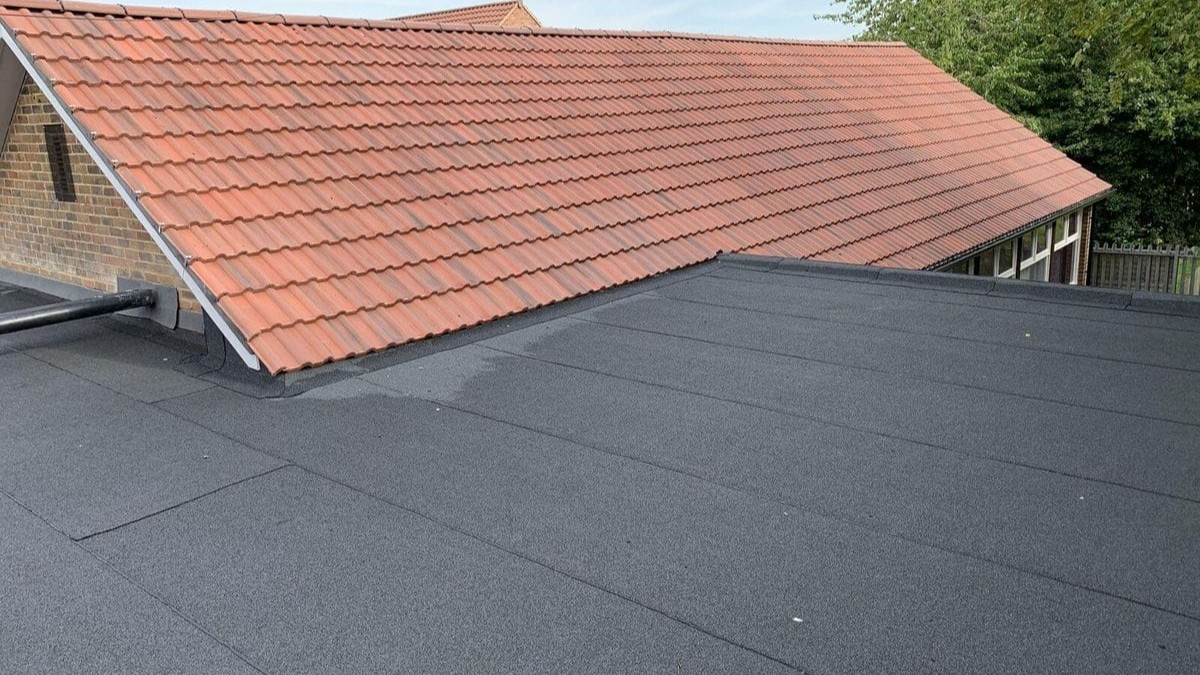
When considering a home extension, one of the key decisions homeowners face is choosing between a flat roof and a pitched roof design. Both options have their own advantages and limitations, but when it comes to adding value to your property, understanding the impact of each can help make an informed choice.
A pitched roof extension typically features sloping sides that create additional height and space within the structure. This design is often preferred for its traditional aesthetic appeal and ability to blend seamlessly with existing homes that already have pitched roofs. The added height under a pitched roof can allow for vaulted ceilings or even loft conversions in some cases, which increases usable living space. From a market perspective, properties with pitched roofs are generally perceived as more attractive due to their classic look and architectural interest. This perception often translates into higher resale values because potential buyers appreciate the enhanced visual appeal and functional benefits.
On the other hand, flat roof extensions offer a modern alternative that maximizes internal floor area without increasing overall building height significantly. Flat roofs are easier and faster to construct compared to pitched ones, making them cost-effective solutions for homeowners on tighter budgets or those seeking quick turnaround times. Additionally, flat roofs provide opportunities for rooftop gardens or terraces, which can be highly desirable in urban settings where outdoor space is limited. However, flat roofs may require more maintenance over time due to drainage issues or weather exposure concerns, potentially affecting long-term value if not properly maintained.
When evaluating which type of extension adds more value, location plays an important role. In suburban areas where traditional aesthetics dominate neighborhoods with tiled or slate-pitched roofs, extensions matching this style tend to maintain neighborhood harmony and thus retain better market appeal. Conversely, in contemporary urban environments where minimalist designs prevail, flat-roofed extensions might enhance property desirability by offering sleek lines and modern functionality.
Energy efficiency is another factor influencing property value related to roofing choices. Pitched roofs naturally facilitate better insulation options through attic spaces while allowing ventilation systems that improve energy performance. Flat roofs require careful waterproofing measures but can incorporate green roofing technologies effectively-such as solar panels or vegetation-which add eco-friendly credentials appealing increasingly to environmentally conscious buyers.
Ultimately, both flat roof vs pitched roof extension extensions have potential benefits depending on individual circumstances such as budget constraints, architectural style preferences, local planning regulations, and future resale intentions. Homeowners should weigh these factors carefully alongside professional advice from architects or surveyors who understand regional market trends.
In summary, while pitched roof extensions often contribute greater perceived value due to their traditional charm and extra interior volume possibilities; flat roof extensions offer practical advantages like cost savings and innovative use of rooftop space that also attract certain buyer segments. Choosing the right option hinges on aligning personal needs with what appeals most strongly in your particular housing market environment-ensuring your investment yields maximum return both functionally and financially over time.