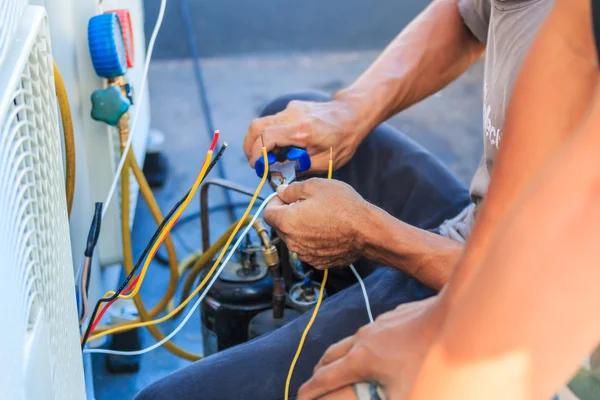
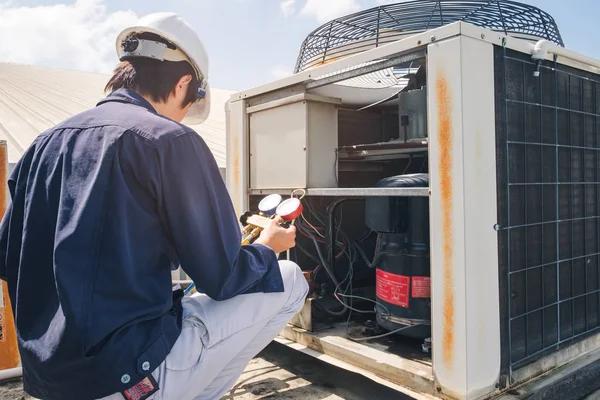
Maintaining an HVAC system in Phoenix, AZ, requires special attention due to the region’s extreme heat and dry climate. Proper upkeep ensures efficient performance, prolongs equipment life, and helps manage energy costs during scorching summers. One crucial aspect is scheduling regular professional inspections and tune-ups at least twice a year, ideally before the cooling season begins. These checkups allow technicians to identify potential issues early, clean essential components such as coils and fans, and verify refrigerant levels to maintain optimal cooling capacity.
In addition to professional maintenance, homeowners should routinely change or clean air filters every one to three months depending on usage and filter type. Dirty filters restrict airflow, forcing read the full report system to work harder and increasing energy consumption while reducing indoor air quality. Using high-quality filters designed for desert environments can help capture dust particles common in Phoenix without overly restricting airflow.
Another key factor involves keeping outdoor condenser units free from debris like leaves, dirt, or plants that may block airflow. Ensuring at least two feet of clearance around the unit improves efficiency by allowing proper ventilation. It is also advisable to gently hose down condenser coils periodically during cooler parts of the day but avoid using high-pressure water which could damage delicate fins.
Thermostat settings play a significant role in managing HVAC workload throughout hot months. Setting thermostats higher when no one is home reduces unnecessary cooling expenses without sacrificing comfort upon return. Investing in programmable or smart thermostats enables automatic temperature adjustments based on occupancy patterns while providing remote control options via smartphones.
Sealing leaks around doors and windows contributes significantly to maintaining consistent indoor temperatures by preventing cooled air from escaping outside heat infiltration through gaps forces your HVAC system into overdrive trying to compensate for lost coolness leading to wear over time.
Adequate insulation within walls or attics minimizes heat transfer into living spaces which directly impacts how hard your system must work daily; upgrading insulation materials suitable for desert climates enhances overall efficiency considerably.
During peak summer months when temperatures often exceed 100 degrees Fahrenheit consistently monitoring system performance becomes critical; unusual noises or inconsistent cooling indicate possible malfunctions requiring prompt attention before they escalate into costly repairs or complete breakdowns.
Finally, consider investing in supplemental shading devices such as awnings or reflective window films that reduce solar gain inside homes thereby easing demand on your HVAC unit especially during mid-day hours when sunlight intensity peaks sharply.
By following these expert tips tailored specifically for Phoenix’s harsh environment you can ensure your HVAC remains reliable year-round while optimizing energy use and maintaining comfortable indoor conditions despite relentless external heat challenges unique to this region.