
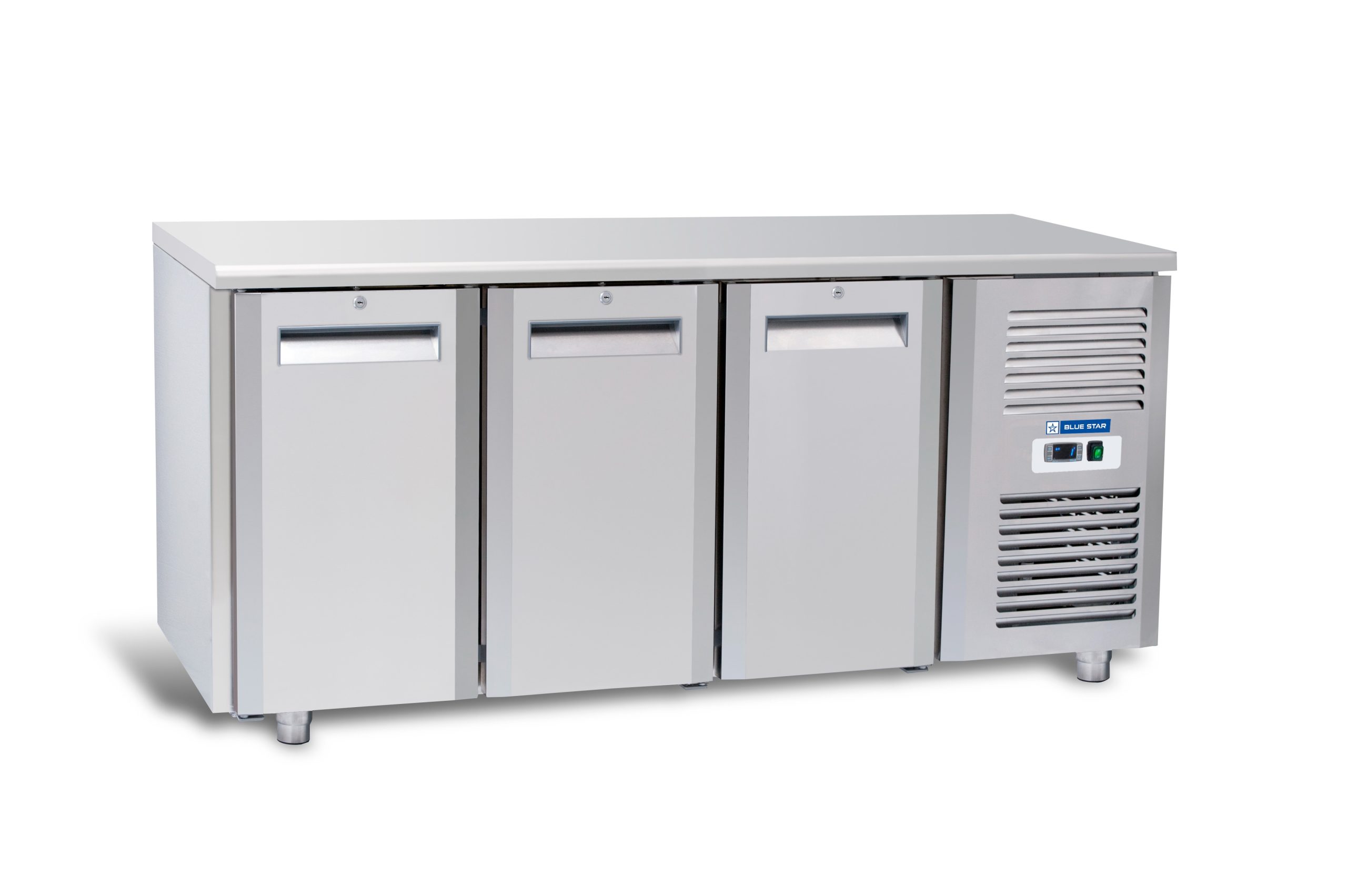
Commercial refrigeration plays a vital role in retail and food service industries, directly impacting product quality, energy consumption, and operational efficiency. As technology advances and consumer expectations evolve, several key trends are shaping the future of commercial refrigeration. One prominent development is the growing emphasis on energy efficiency. Retailers and food service providers are increasingly adopting refrigeration units that consume less power without compromising performance. This shift is driven by rising electricity costs, stricter environmental regulations, and corporate sustainability goals. Modern compressors, improved insulation materials, and advanced temperature controls contribute to significant reductions in energy usage while maintaining consistent cooling.
Another important trend involves the integration of smart technologies into refrigeration systems. Internet of Things (IoT) connectivity allows real-time monitoring of temperature fluctuations, humidity levels, and equipment health. These smart refrigerators can send alerts for maintenance needs or potential failures before they impact operations or lead to spoilage. Data collected through IoT platforms also enables businesses to analyze usage patterns and optimize inventory management based on precise storage conditions. This level of control helps reduce waste while ensuring compliance with food safety standards.
Sustainability remains a critical focus within Commercial Refrigeration advancements. There is a noticeable shift toward using environmentally friendly refrigerants with low global warming potential (GWP). Traditional hydrofluorocarbon (HFC) refrigerants are being replaced by alternatives such as natural refrigerants like ammonia or carbon dioxide that have minimal environmental impact. Manufacturers now design systems compatible with these eco-friendly options to meet regulatory requirements and support green initiatives across supply chains.
Design innovations are also influencing how commercial refrigerators fit into retail spaces and kitchens. Sleeker aesthetics combined with customizable configurations allow businesses to maximize display areas while enhancing customer experience through better product visibility and accessibility. Energy-efficient LED lighting integrated inside units not only reduces power consumption but also highlights products more effectively than older fluorescent options.
In addition to technological improvements, there is an increasing demand for modular refrigeration solutions that provide flexibility in installation and scalability as business needs change over time. Modular units enable easier maintenance since individual components can be serviced or replaced without shutting down entire systems.
Overall, commercial refrigeration continues evolving rapidly under pressure from economic factors, environmental concerns, technological progressions, and consumer preferences for freshness assurance. Businesses investing in cutting-edge cooling solutions gain competitive advantages through lower operating costs, improved sustainability profiles, enhanced food safety compliance measures, and elevated customer satisfaction levels at points of sale or preparation areas alike. The ongoing adoption of smarter controls combined with greener refrigerants signals a promising direction toward more resilient cold chain infrastructures supporting modern retailing practices globally.