Heating, ventilation, and air conditioning (HVAC) systems play a crucial role in maintaining indoor air quality (IAQ), which directly impacts the health and comfort of occupants. These systems are designed to control temperature, humidity, and airflow within buildings, but their ability to filter and circulate air also determines how well pollutants are managed indoors. Properly designed and maintained HVAC infrastructure helps reduce airborne contaminants such as dust, allergens, volatile organic compounds (VOCs), and microbial agents like mold spores. This makes it an essential component for creating healthier living and working environments.
One of the primary functions of HVAC systems is ventilation-the process of exchanging indoor air with fresh outdoor air. Adequate ventilation dilutes indoor pollutants that accumulate from building materials, furnishings, human activities, or external sources like vehicle emissions. Without sufficient ventilation rates specified by standards such as ASHRAE 62.1 or local building codes, harmful substances can build up to levels that cause discomfort or health problems including headaches, fatigue, respiratory irritation, or more serious conditions like asthma exacerbation. Modern HVAC designs often incorporate energy recovery ventilators that improve efficiency while ensuring continuous supply of clean outdoor air.
Filtration is another critical aspect influencing IAQ through HVAC infrastructure. Filters capture particles ranging from discover further details here large dust debris to fine particulate matter that can penetrate deep into the lungs when inhaled. The effectiveness depends on filter type and rating; high-efficiency particulate air (HEPA) filters provide superior removal but may require system adjustments due to increased airflow resistance. Regular replacement or cleaning of filters prevents clogging that would otherwise reduce airflow efficiency and allow contaminants to recirculate inside the space.
Humidity control facilitated by HVAC systems also contributes significantly to indoor environmental quality. Maintaining relative humidity between 30% and 60% limits microbial growth since excessive moisture promotes mold development while overly dry conditions can irritate mucous membranes in occupants’ respiratory tracts. Dehumidification components integrated into cooling cycles help manage moisture levels especially in humid climates.
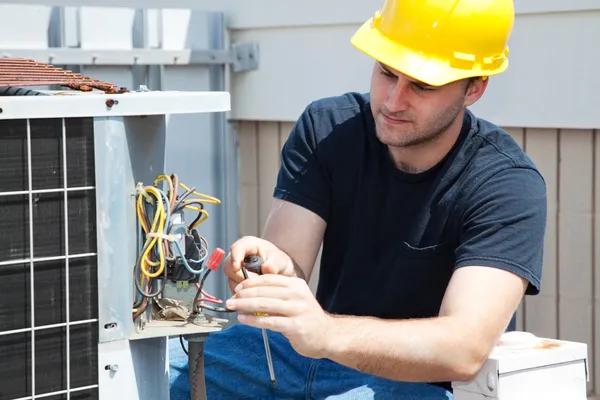
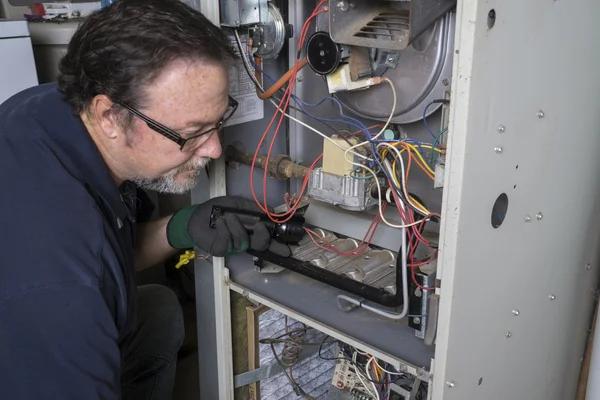
In addition to mechanical functions, proper maintenance routines ensure continued performance of HVAC equipment related to IAQ management. Neglecting inspection schedules may lead to accumulation of dirt within ducts or coils where bacteria thrive before being dispersed throughout occupied areas.
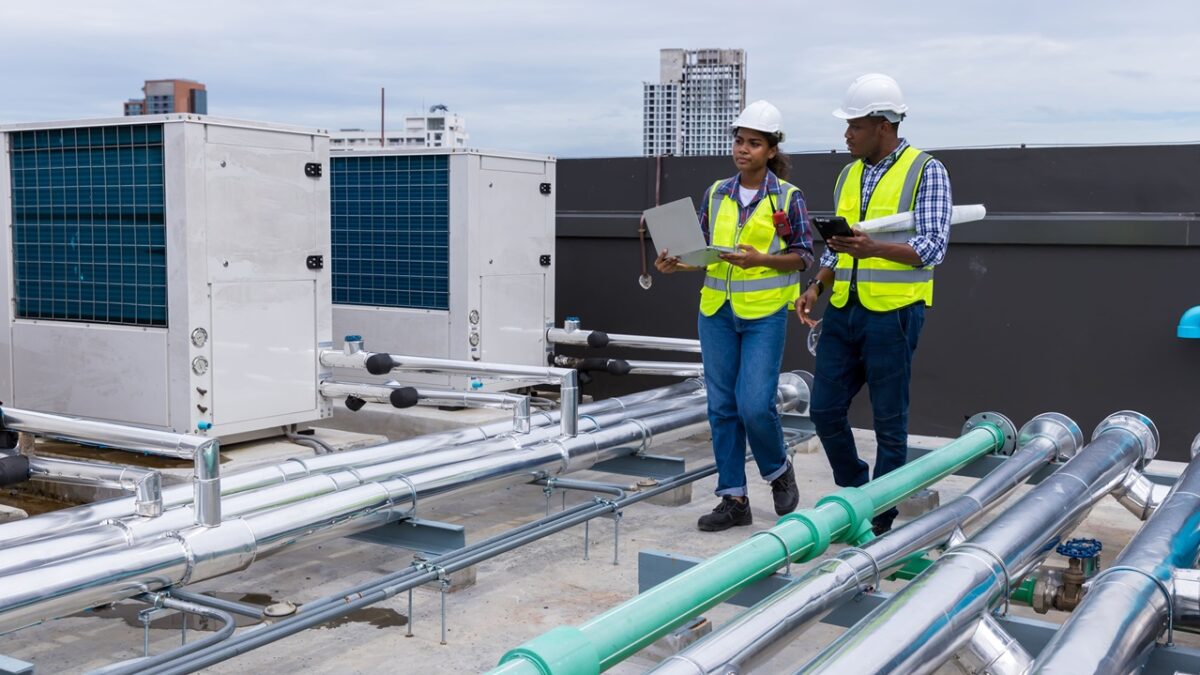
Overall, an efficient HVAC infrastructure acts as a frontline defense against poor indoor air quality by balancing ventilation needs with filtration capabilities while controlling temperature and humidity parameters effectively. Investing in advanced technologies alongside routine upkeep supports healthier spaces conducive for productivity and wellbeing across residential or commercial settings alike.