
In recent years, the integration of smart technology into home systems has revolutionized how we manage and optimize energy consumption. One area where this innovation is particularly impactful is in heating, ventilation, and air conditioning (HVAC) systems. Smart HVAC solutions not only enhance comfort but also significantly reduce monthly energy bills. By employing advanced technologies such as machine learning, IoT (Internet of Things), and automation, these systems provide efficient climate control tailored to individual preferences while minimizing waste.
One prominent feature of smart HVAC systems is their ability to learn from user behavior and environmental conditions to optimize performance. For instance, smart thermostats like learn the key points Nest Learning Thermostat or Ecobee can adjust heating and cooling schedules based on occupancy patterns detected through sensors or smartphone geolocation data. This ensures that energy is not wasted on conditioning empty spaces, thus reducing unnecessary consumption.
Moreover, remote access via mobile apps allows homeowners to monitor and control their HVAC system from anywhere at any time. Whether you’re coming home early or staying out late unexpectedly, you can easily adjust your home’s temperature settings remotely to ensure comfort upon arrival without wasting energy throughout the day.
Integration with other smart home devices further enhances the efficiency of these systems. For example, connecting an HVAC system with smart blinds or windows allows for automatic adjustments based on sunlight levels—closing during peak sun hours in summer to keep cool air inside or opening during winter days for natural warmth. These coordinated efforts among devices create a holistic approach to maintaining optimal indoor environments efficiently.
Energy monitoring features are another crucial component of smart HVAC solutions. By providing detailed insights into consumption patterns and identifying areas where improvements can be made, users gain better understanding and control over their energy usage habits. Some systems even offer suggestions for enhancing efficiency based on real-time data analysis.
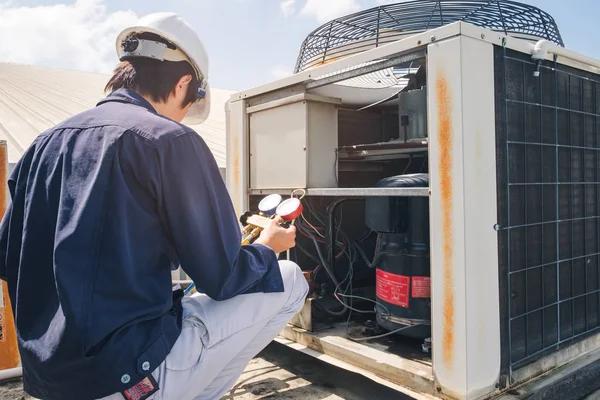
Furthermore, predictive maintenance capabilities help prevent costly repairs by alerting homeowners about potential issues before they escalate into major problems. Sensors within the system continuously monitor its health status; when anomalies are detected—such as unusual vibrations or temperature fluctuations—the system sends notifications prompting timely maintenance actions.
Finally, many utility companies offer incentives for adopting energy-efficient technologies like smart HVAC systems due to their significant impact on reducing overall grid demand during peak times. These rebates make upgrading more affordable while contributing positively towards environmental sustainability goals by lowering carbon emissions associated with excessive power use.
In conclusion, embracing top-tier smart HVAC solutions presents a compelling opportunity not only for cutting monthly energy expenses but also enhancing convenience through intelligent automation tailored specifically around lifestyle needs—all while promoting eco-friendly practices that benefit both households and broader communities alike.