
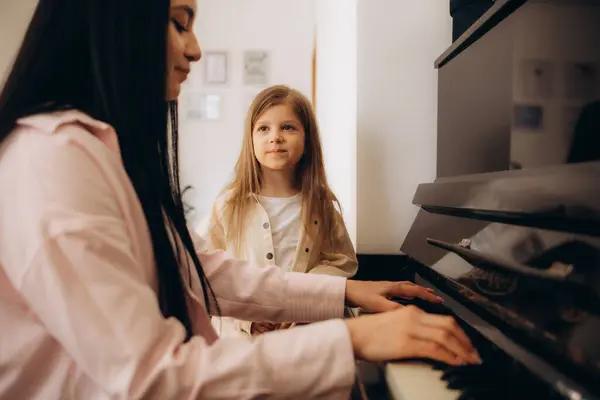
Introducing piano lessons at home can significantly enhance a child’s learning potential by providing a unique blend of discipline, creativity, and cognitive development. Learning to play the piano engages multiple areas of the brain simultaneously, fostering skills that extend beyond music alone. When children take piano lessons in the comfort of their own homes, they benefit from personalized attention and a familiar environment that encourages consistent practice and deeper focus. This setting allows instructors to tailor lessons according to each child’s individual pace and learning style, which is crucial for maintaining motivation and building confidence.
The process of mastering piano requires patience and persistence, qualities that are invaluable throughout life. As children progress through various levels of difficulty, they develop problem-solving abilities while improving hand-eye coordination and fine motor skills. These physical improvements support other academic activities such as writing or typing. Moreover, reading sheet music enhances literacy by strengthening pattern recognition and memory retention. The structured nature of musical training also teaches time management since students must balance practice with schoolwork and leisure activities.
Home-based instruction offers flexibility that traditional classroom settings often lack. Parents have greater involvement in their child’s education when lessons occur at home; this active participation reinforces positive explore deeper attitudes toward learning while allowing parents to monitor progress closely. Additionally, eliminating travel time reduces stress for both children and parents, making it easier to maintain regular lesson schedules without disruption.
Another advantage lies in the emotional benefits associated with playing an instrument regularly at home. Music serves as an outlet for self-expression and emotional regulation during childhood development stages when emotions can be intense but difficult to articulate verbally. Playing the piano helps channel feelings constructively while boosting self-esteem through achievement milestones like mastering new pieces or performing for family members.
Incorporating technology into home piano lessons further enriches the experience by providing interactive tools such as apps or online resources that complement traditional teaching methods. These digital aids offer instant feedback on performance accuracy or rhythm consistency, making practice sessions more engaging for young learners.
Ultimately, investing in home piano lessons unlocks numerous developmental advantages beyond acquiring a musical skill set alone; it nurtures discipline, creativity, emotional intelligence, and cognitive growth essential for lifelong success across various domains of learning. By creating an encouraging atmosphere within one’s own living space where children feel supported yet challenged appropriately fosters not only musical ability but also overall personal growth critical during formative years.