
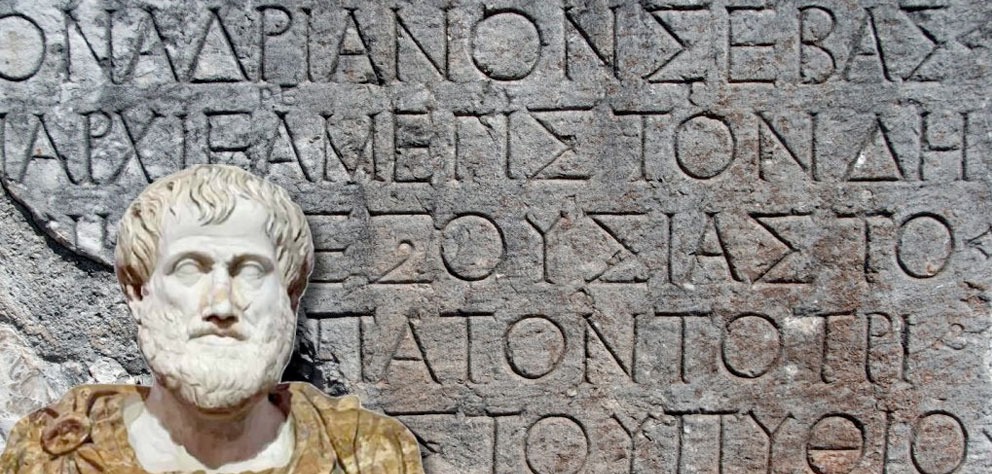
Greek culture is a vibrant tapestry woven from thousands of years of history, art, philosophy, and tradition. It has not only shaped the identity of Greece but has also left an indelible mark on the world. From the profound concepts introduced by ancient philosophers to mouthwatering cuisines that tantalize our taste buds today, Greek culture is a treasure trove waiting to be explored.
As we dive into this rich heritage, we’ll discover how its impact resonates in modern society. We’ll highlight renowned figures who have influenced various fields and debunk some common misconceptions that often overshadow this remarkable culture. So grab a cup of Greek coffee or indulge in some baklava as we embark on this captivating journey through time.
Impact and Influence of Greek Culture on the Modern World
Greek culture serves as a cornerstone for greek visions team Western civilization. Its influence radiates through philosophy, politics, and the arts. Think of Socrates, Plato, and Aristotle these thinkers laid the groundwork for modern philosophy.
Democracy itself is rooted in ancient Greek practices. The concepts of citizenship and civic duty emerged from city-states like Athens. Today, we still engage with these ideals in our political systems around the globe.
Even language bears witness to Greece’s lasting impact; many English words derive from ancient Greek roots. This cultural legacy shapes how we communicate daily.
Famous Greek Personalities and Contributions to Society
Greek culture has produced some of the most influential figures in history. Think of philosophers like Socrates, who sparked critical thinking and ethics. His method still shapes modern education.
Artists such as Praxiteles crafted stunning sculptures that defined beauty in their time. Their works continue to inspire artists today.
These personalities reflect Greece’s profound impact on various fields, emphasizing its enduring legacy throughout history and into our current society.
Common Misconceptions About Greek Culture
Greek culture is often reduced to a few stereotypes. Many think it’s all about ancient ruins and mythology. While these aspects are significant, they represent only a fraction of Greece’s rich heritage.
Some believe that Greek cuisine consists solely of souvlaki and moussaka. In reality, the food varies greatly across regions. Each area boasts its own flavors, ingredients, and traditions.
There’s an idea that Greek life revolves solely around family ties. While family plays a vital role, you’ll find vibrant communities where friendships flourish beyond blood relations too.
Preserving and Celebrating Greek Culture Today
Greek culture is rich and vibrant, showcasing a legacy that has shaped civilizations for centuries. Today, preserving this heritage involves not just acknowledgment but active participation. Communities around the world celebrate Greek festivals, where traditional music and dance fill the air with joy.
Culinary traditions play a significant role in keeping Greek culture alive. Dishes like moussaka and baklava are not merely meals; they are stories passed down through generations. Cooking classes are becoming popular as more people seek to understand these recipes’ cultural significance.