Maintaining the efficiency of an air conditioning system is crucial for ensuring comfort, reducing energy costs, and preventing costly repairs. Regular attention to the unit can extend its lifespan and improve performance significantly. The first important step is to keep the air filters clean. Dirty or clogged filters restrict airflow, forcing the system to work harder than necessary, which not only increases energy consumption but also strains components that may lead to premature failure. Filters should be checked monthly during peak usage periods and replaced or cleaned as recommended by the manufacturer.
Another key aspect involves inspecting and cleaning the coils within the system. The evaporator and condenser coils accumulate dirt over time, which reduces their ability to absorb heat effectively. When these coils are dirty, cooling efficiency drops noticeably because find out more energy is required to achieve desired temperatures. Cleaning them annually or as needed helps maintain proper heat exchange and reduces wear on other parts of the system.
Ensuring that coil fins remain straight is also vital since bent fins can obstruct airflow through the unit’s condenser or evaporator sections. Using a fin comb can help straighten any bent fins carefully without damaging them further. Additionally, checking for debris around outdoor units like leaves, grass clippings, or dirt buildup prevents blockages that impair ventilation and cooling capacity.
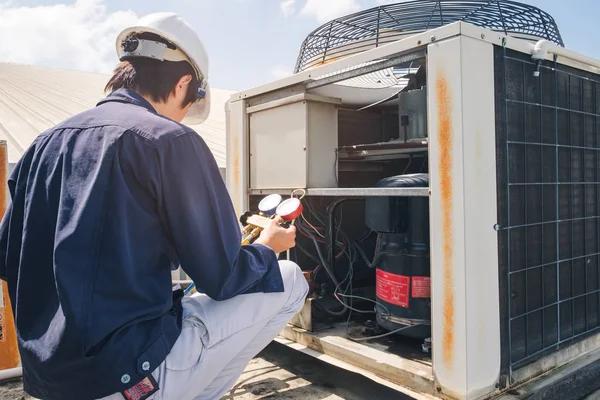
Proper refrigerant levels are essential for optimal operation as well. Low refrigerant due to leaks causes poor cooling performance and increased pressure on compressors leading to potential breakdowns. If there’s a noticeable drop in cooling power or ice forms on coils, it’s advisable to have a professional technician check for leaks and recharge refrigerant accordingly.
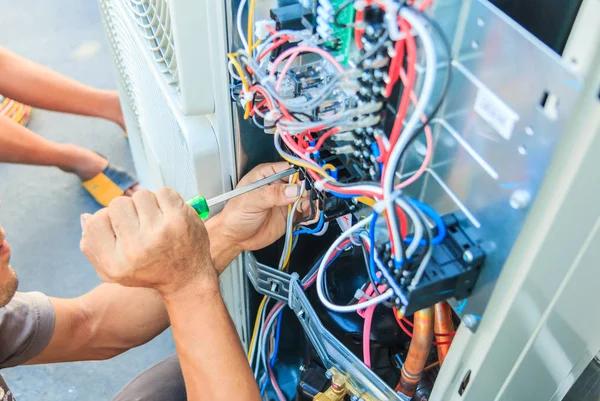
Routine inspection of electrical connections ensures all contacts are secure without corrosion or damage since loose wiring can cause intermittent operation or complete failure of components such as motors and capacitors. Tightening connections during scheduled maintenance visits helps avoid unexpected malfunctions.
Finally, setting programmable thermostats appropriately supports efficient use by preventing unnecessary running times while maintaining comfortable indoor conditions consistently throughout different times of day.
By following these practical steps-regular filter care, coil maintenance, proper refrigerant management, electrical inspections, clearing debris around units-and using thermostats wisely homeowners can preserve their air conditioning systems’ efficiency while minimizing repair needs over time. A proactive approach not only enhances comfort but also protects investment in HVAC equipment through reliable performance year after year.