Installing a mini split air conditioning system in small homes and apartments can be an efficient way to ensure comfort without the extensive ductwork required by traditional HVAC systems. These compact units offer flexibility, energy efficiency, and quiet operation, making them ideal for smaller spaces. Here’s a straightforward guide to help you install a mini split AC system with ease.
Begin by selecting the appropriate size unit for your space. Mini splits are available in various capacities measured in British Thermal Units (BTUs). Choosing the right BTU rating is crucial; too low and it won’t cool effectively, too high and you’ll waste energy. For small homes or apartments typically ranging from 300-1,000 square feet, units between 9,000-18,000 BTUs are generally suitable.
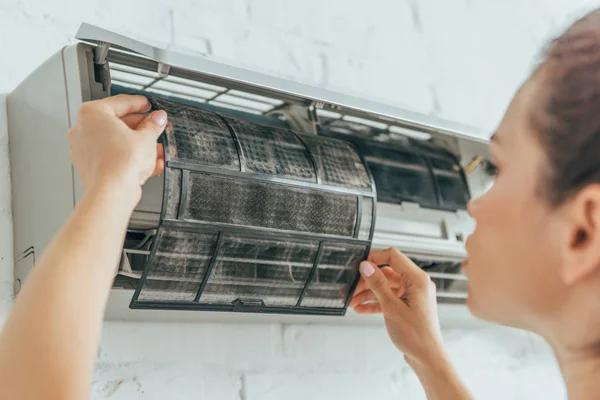
Once you’ve selected your unit, determine its optimal placement. The indoor unit should ideally be mounted on an exterior wall near the ceiling where it can distribute air conditioning repair efficiently across the room. Ensure there’s enough clearance around it—at least six inches above and on either side—to allow for proper airflow and maintenance access.
Prepare to install the mounting bracket that comes with your mini split system. Use a level to ensure it’s straight before securing it firmly into wall studs using screws provided by the manufacturer. This step is critical as improper leveling may lead to water leakage or inefficient cooling.
Next is creating a hole through which you’ll run refrigerant lines connecting indoor and outdoor units. Typically about three inches wide, this hole should slope slightly downward toward the exterior of your home to facilitate drainage of condensation away from interior walls.
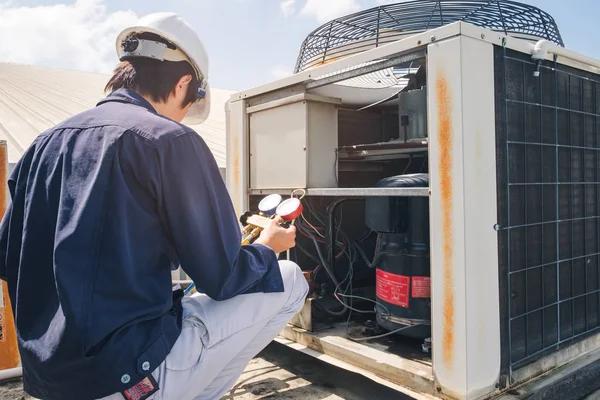
Now turn your attention outdoors where you’ll place the condenser unit on a stable platform or pad at ground level or use brackets if mounting on an exterior wall is necessary due to limited space availability below window levels etcetera; keep sufficient distance from obstructions like shrubs ensuring unrestricted airflow all around especially behind back side facing structure itself allowing heat dissipation effectively during operation periods throughout year-long cycles regardless weather conditions prevailing locally regionally globally impacting performance reliability longevity overall satisfaction derived end-users benefiting directly indirectly involved stakeholders alike!