When planning a solar installation, understanding permit-related requirements is crucial to ensure compliance with local regulations and a smooth project timeline. Permits serve as official approvals from governing authorities, confirming that the proposed solar system meets safety, zoning, and building standards. These requirements vary depending on location, system size, and type of installation but generally involve submitting detailed plans for review before work begins.
The first step in obtaining permits typically involves contacting the local building or planning department to determine specific rules applicable to solar installations in that area. This may include city or county offices responsible for construction permits or specialized renewable energy divisions. learn all about it is important to gather all necessary documentation such as site plans, electrical schematics, equipment specifications, and manufacturer certifications. Providing accurate information helps expedite the approval process by demonstrating adherence to technical standards.
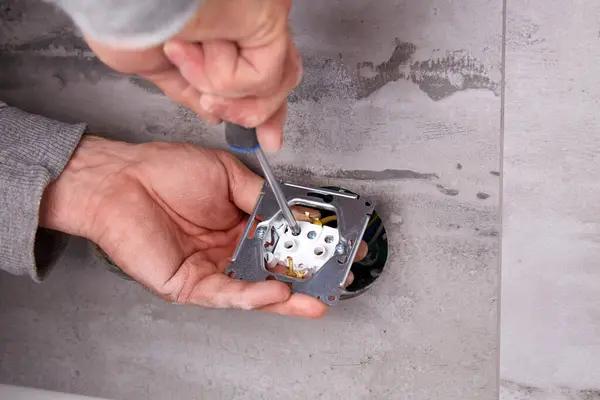
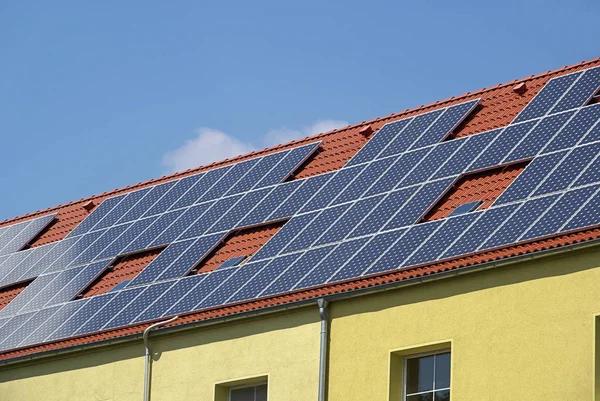
Most jurisdictions require a building permit before installing solar panels on residential or commercial properties. This ensures structural integrity is maintained and that the roof can support additional weight without compromising safety. Inspectors may evaluate factors like panel placement, mounting methods, wind resistance measures, and fire protection clearances during their assessment. Electrical permits are also commonly required since solar systems interface with existing wiring and utility connections; these verify proper integration with electrical codes designed to prevent hazards such as short circuits or overloads.
In some cases, additional environmental permits might be necessary if installations impact protected areas or require tree removal. Zoning laws could restrict system size or appearance based on neighborhood guidelines aimed at preserving aesthetic harmony within communities. Homeowners associations (HOAs) may impose further conditions related to design approval even after municipal permits are granted.
After submission of permit applications along with fees determined by local authorities, there will usually be an inspection phase once installation is complete but before final connection to the grid occurs. Certified inspectors confirm compliance with approved plans and code requirements through visual checks and testing procedures where needed.
Understanding these permit-related steps helps avoid costly delays caused by noncompliance issues discovered mid-project or post-installation shutdowns mandated by officials. Working closely with licensed contractors familiar with regional permitting processes can streamline this effort while ensuring legal operation of your solar energy system from day one.
By approaching permitting proactively-researching local mandates early on and preparing thorough documentation-solar installers protect both themselves and property owners against regulatory complications that could hinder progress or result in fines down the line. Ultimately this careful attention supports safer installations aligned with community standards while promoting wider adoption of clean energy solutions nationwide.