Asphalt surface repair is an essential maintenance task that helps extend the life of pavements, driveways, and parking lots. Over time, asphalt surfaces are subjected to various stresses such as weather changes, heavy traffic, and natural wear and tear. These factors can cause cracks, potholes, and other forms of damage that compromise the integrity of the surface. Addressing these issues promptly not only improves safety but also prevents more extensive and costly repairs in the future.
The first step in asphalt surface repair involves a thorough inspection to identify all damaged areas. Small cracks may seem insignificant initially but can allow water to penetrate beneath the pavement. This moisture weakens the base layers and leads to further deterioration like potholes or larger cracks. It is crucial to assess whether damage is superficial or if it extends deeper into the structure before deciding on a repair method.
Paving services in Annapolis
Crack sealing is one of the most common repair techniques used for minor damage. This process involves cleaning out debris from cracks and filling them with a flexible sealant designed specifically for asphalt surfaces. Sealants prevent water infiltration while allowing slight movement caused by temperature fluctuations without causing additional cracking. Proper crack sealing should be performed regularly Annapolis parking lot paving as part of routine maintenance.
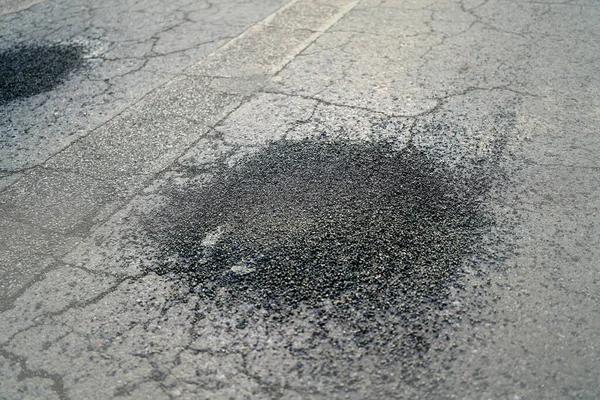
For larger damages such as potholes or severely cracked sections, patching is necessary. Patching requires removing loose material around the damaged area followed by filling it with new hot mix asphalt or cold patch material depending on availability and urgency. Hot mix asphalt provides a more durable solution but typically requires professional equipment for proper application and compaction. Cold patches offer convenience for temporary fixes but may not last as long under heavy use.
In cases where widespread deterioration has occurred across an entire section of pavement, resurfacing might be required rather than spot repairs alone. Resurfacing entails applying a new layer of asphalt over existing pavement after appropriate preparation like cleaning or milling off old layers if needed. This approach restores smoothness while reinforcing structural strength without complete replacement.
Proper drainage plays a vital role in maintaining repaired asphalt surfaces because standing water accelerates damage through freeze-thaw cycles during colder months or prolonged exposure during rainy seasons. Ensuring gutters, drains, and slopes direct water away from paved areas reduces moisture-related problems significantly.
Regular maintenance combined with timely repairs maximizes lifespan while minimizing costs associated with major reconstruction projects later on. Using quality materials suited for specific environmental conditions along with experienced workmanship ensures durability after repairs are completed successfully.
Overall, understanding different types of damage along with suitable repair techniques allows property owners to make informed decisions about maintaining their asphalt surfaces effectively over time without compromising functionality or appearance at any stage throughout its service life cycle.
Solid Paving & Concrete
2901 Riva Trace Pkwy #103, Annapolis, MD 21401
301-500-0309