A septic tank inspection visit is an essential process that helps ensure the proper functioning and longevity of a home’s wastewater treatment system. During this visit, a qualified professional carefully examines various components of the septic system to identify any potential issues or signs of failure. The inspection typically begins with a visual assessment of the property to locate the septic tank and related equipment. Locating these components accurately is crucial because it allows the inspector to access all necessary parts without causing damage or disruption.
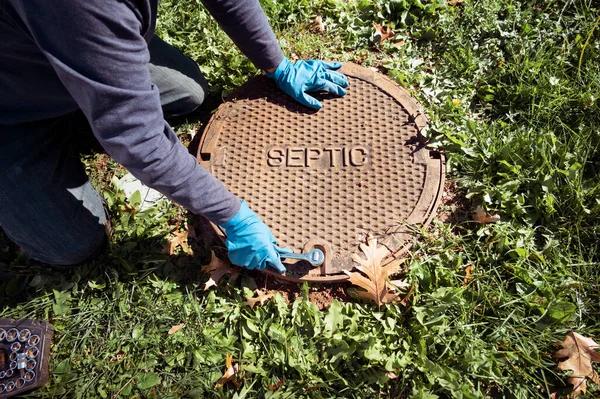
Once located, the inspector opens the septic tank lid or access ports to evaluate its condition. They check for cracks, leaks, corrosion, or structural damage that could affect performance. Inside the tank, they measure sludge and scum levels by using specialized tools such as probes or gauges. These measurements get emergency septic help determine whether pumping is required to remove accumulated solids that can clog pipes and harm drainage fields if left unchecked.
Septic tank inspection
The inspector also assesses inlet and outlet baffles within the tank. These baffles prevent solids from flowing into drain lines while allowing liquid effluent to exit properly. Damaged or missing baffles can lead to blockages or contamination of surrounding soil and groundwater, so their condition is critical for maintaining system efficiency.
After examining the tank itself, attention shifts toward other elements like distribution boxes and drain fields (also called leach fields). The distribution box evenly disperses effluent from the septic tank into multiple trenches in the drain field where natural filtration occurs through soil layers. Inspectors look for signs of uneven flow distribution, standing water on surface areas indicating poor drainage, foul odors suggesting system backups, or vegetation abnormalities caused by excessive moisture.
During this phase, inspectors may use tools such as water meters or dye tests to track effluent movement through pipes and verify proper operation without invasive excavation unless problems are suspected below ground level.
Finally, inspectors review maintenance records provided by homeowners when available and discuss findings with them in detail after completing physical checks. They offer recommendations based on observed conditions which might include routine pumping intervals tailored specifically for each household’s usage patterns along with repairs needed if any defects were found during inspection.
This thorough evaluation helps homeowners avoid costly repairs down the line while protecting public health by preventing untreated wastewater from contaminating local environments. Regular inspections provide peace of mind knowing that septic systems continue working safely between major service visits conducted every three to five years depending on usage intensity and regulatory requirements in different regions across many countries worldwide today.
Gray Septic Solutions
Savannah, GA 31405
912-661-4089